What Does It Take for a Brand to Last for Decades?

An interview with Danijela Tuco, Executive Director of Neoplanta, for BizLife magazine
An interview with Danijela Tuco, Executive Director of Neoplanta, for BizLife magazine
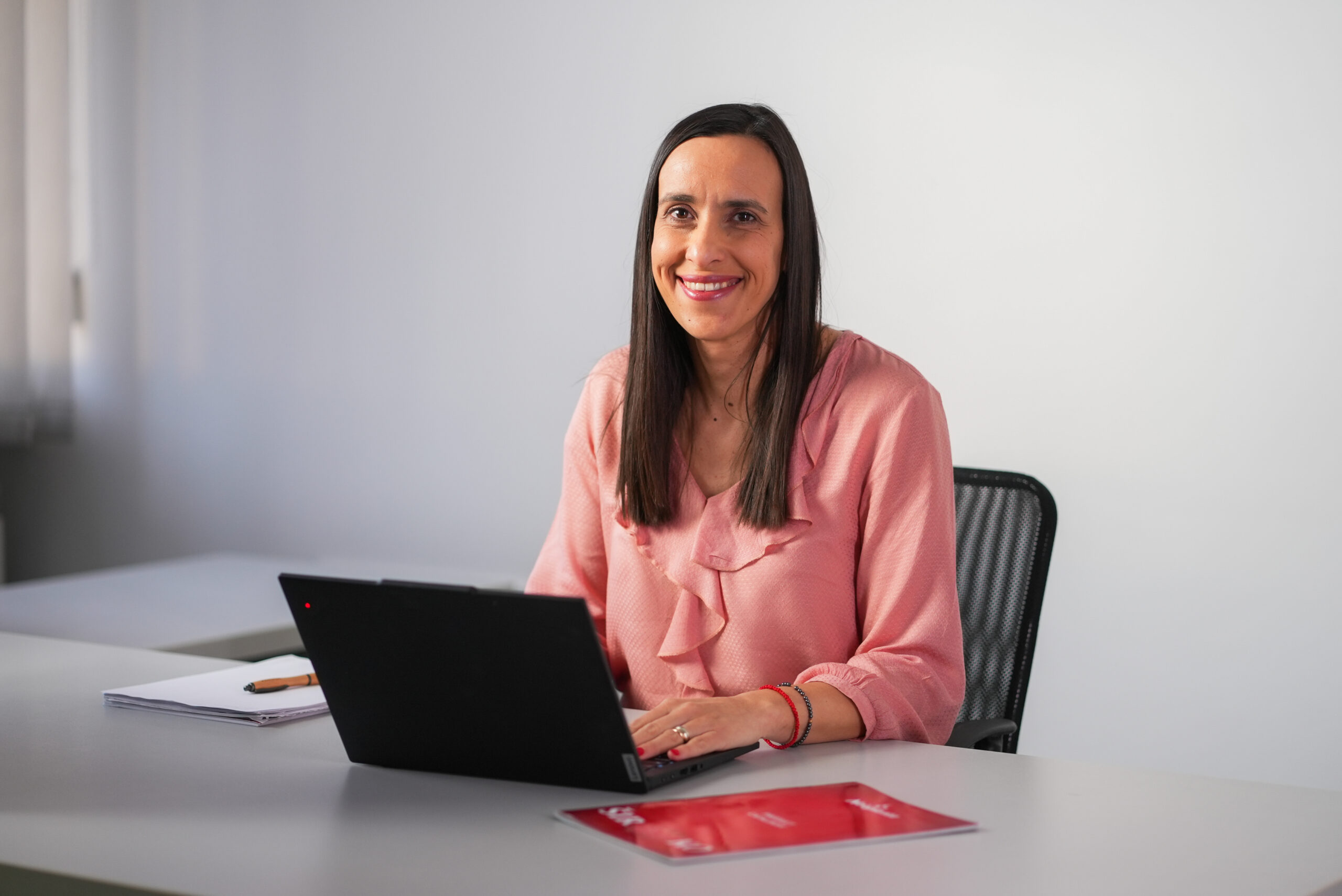
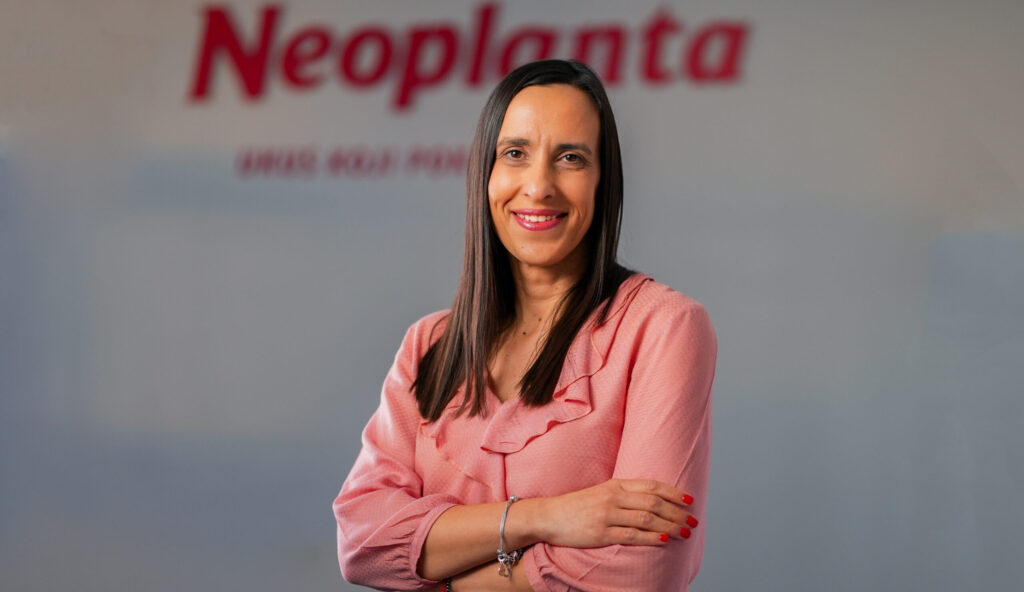
After more than a decade and a half in operational and management roles, Danijela Tuco took on the position of Executive Director of Neoplanta in January, bringing a deep understanding of the business from multiple perspectives. Guided by the lesson that no significant success is ever the result of an individual alone, she places people, functions and open dialogue at the heart of how an organization operates.
In her interview with BizLife magazine, Danijela Tuco discusses the complexity of the food industry, where quality represents a daily responsibility towards millions of families, and shares her key principles on how discipline, integrity and consistency can create an environment that develops people over the long term and protects the reputation a company has built.
The interview was originally published in the online edition of BizLife magazine.
After more than a decade and a half at Neoplanta, you have taken on the position of Executive Director. How do you look at your professional journey within the company today?
My professional development since 2010 has progressed step by step, through different roles that allowed me to get to know the company from multiple perspectives. I started in Controlling, where I gained a deep understanding of the business, its processes and the way the organization operates through several operational roles. I then became Controlling Manager, and later gained valuable project experience within Nelt Group, of which Neoplanta is a member. This further broadened my perspective and deepened my understanding of the business. From 2018 onwards, I served as Chief Financial Officer, and since January this year, I have had the honour of leading the company as Executive Director.
When I look back on my professional journey, above all, I feel grateful. I have had the privilege of growing alongside a company that has gone through different stages of development over the years, while remaining consistently committed to high standards, responsibility and the ambition to continuously improve. Along the way, I have learned a great deal from colleagues, partners and mentors whose support, knowledge and trust have significantly contributed to my professional development.
I see the role of Executive Director as a great responsibility, but also as a natural continuation of the professional path I have built over the years. Precisely because I know the people, processes and values that make Neoplanta what it is, I see this role as an opportunity for us to continue developing the company together and delivering results we can be proud of.
How has this experience helped you develop the perspective needed to lead the company?
I believe that the experience I gained through different roles has enabled me to see the company as a whole. When you work across different areas of a business throughout your career, you gain insight not only into processes and results, but also into people, the dynamics of collaboration and the challenges an organization faces every day.
One of the most important lessons I have learned is that no significant success is ever the result of an individual, but rather of an organization’s ability to work as a team. That is why I place great emphasis today on connecting people, functions and different perspectives within the organization. I believe the best decisions emerge when there is open dialogue and a shared understanding of priorities.
My experience has also taught me that sustainable results are achieved when there is a clear vision, discipline in execution and the ability to align different perspectives towards a common goal. At the same time, it has shown me how important trust, accountability and mutual understanding are to the success of any organization.
Today, I see leading a company as the responsibility to look at the bigger picture, recognize market opportunities and challenges, and make decisions that create long-term value for the company, its employees, partners and consumers.
Neoplanta is one of the most recognizable domestic brands, with a long tradition and strong consumer trust. What do you see as its greatest strength in today’s competitive environment?
Over the decades, Neoplanta has built what is now considered one of the most important assets of any successful brand – consumer trust. Such trust does not happen overnight, nor can it ever be taken for granted. It is the result of a long-term commitment to high standards of quality, consistency and a responsible relationship with consumers.
In the food industry, quality is not simply a business standard; it is a daily responsibility towards consumers. When you produce food, every decision carries additional weight because the products you create become part of the everyday lives of a large number of families. Consumer trust is not something you earn once and keep forever. It is something you have to reaffirm every single day.
That is why quality must be present in every aspect of the business – from the selection of raw materials and controlled production processes to the final product that reaches the consumer.
Ultimately, I believe Neoplanta’s greatest strength lies precisely in the relationship of trust that has been built over generations – a relationship we have a responsibility to reaffirm every day through quality, accountability and commitment to our consumers.
The FMCG industry is changing faster than ever. Which trends and opportunities do you see as most important for the future development of companies?
The FMCG industry is operating in an environment characterized by rapidly changing consumer habits, increasingly high market expectations and intense competition. This dynamic requires companies to be highly adaptable, while also being capable of planning for the long term and making responsible business decisions. Today, it is no longer enough simply to react to change. Companies must simultaneously maintain business stability and be prepared to change faster than before.
I believe the greatest advantage will belong to organizations that manage to stay close to consumers, understand their needs and respond to those changes in the right way. At the same time, it will be important to continue investing in innovation, process improvement and the development of organizational capabilities that enable companies to respond to market challenges more quickly and efficiently.
In such an environment, the ability to maintain a clear strategic focus, consistency in quality and a commitment to building consumer trust over the long term will be particularly important.
What do you consider essential for creating an environment where people can grow, take initiative and give their best?
I believe every successful organization is built around people who understand the purpose of their work, have opportunities to develop and feel that their contribution is valued. When employees have clearly defined goals, trust and the space to take responsibility, greater initiative, engagement and the desire to give their best naturally follow.
That is why I do not see organizational culture as an accompanying element of business, but as one of its most important foundations. It is often said that “culture eats strategy for breakfast”, and throughout my career I have seen many times that this is true. You can have the best plan and the most ambitious goals, but without trust, accountability and people’s willingness to work together towards the same goal, the results will not follow.
Strategy sets the direction, but people and the way they work together determine whether that direction will actually be achieved.
That is precisely why I place great emphasis on team development, open communication and creating an environment in which continuous learning, collaboration and accountability are an integral part of everyday work. When the culture is healthy, it becomes a driver of development and long-term results.
Leadership positions come with great responsibility, but also with the opportunity to influence the development of people and the company. What motivates and inspires you most in your work today?
What motivates me most today is the opportunity to build, together with the team, an organization that creates long-term value and leaves a positive mark – both through business results and through the development of its people.
I am motivated when I see individuals and teams grow, take responsibility, develop new skills and realize potential they may not have recognized in themselves at the beginning. I believe that developing people is one of the most rewarding and important aspects of leadership.
I am particularly inspired by people who want to push boundaries, propose new solutions and take initiative, because that kind of enthusiasm is what moves organizations forward.
Therefore, I do not measure organizational success solely through business results, because those can be measured quarterly or annually. I also measure it through the development of people and the culture we are building. I believe a leader’s true success is when an organization continues to grow thanks to the people who have grown alongside it.
At the same time, I am further motivated by the fact that we operate in an industry that is part of the everyday lives of millions of consumers. This brings great responsibility, but also a strong motivation to continuously raise our standards and improve what we do.
Your career is an example of success built through dedication, knowledge and consistency. What message would you send to young people who are just beginning to build their professional confidence and identity?
I would encourage young people to trust their development process and not look for shortcuts. Professional confidence does not come with a position or title; it is built through work, experience, knowledge and the willingness to learn something from every challenge.
At the beginning of a career, it is important to be curious, open to learning and willing to take responsibility. Every new responsibility, project and challenge contributes to the development of your professional identity and helps you better understand your own capabilities.
I believe integrity, dedication, discipline and consistency are important values on which professional development is built. For me, discipline does not mean rigidity. It means being able to remain committed to what matters to us, persevere even when results do not come immediately, and take a small but meaningful step forward every day.
At a time when quick results are often expected, it is particularly important to be patient, trust the process and build a career on solid foundations. Long-term success rarely comes from one major leap; much more often, it is the result of consistency, learning and the decisions we make day after day.
I also believe it is important to nurture enthusiasm and openness towards other people, because the greatest professional achievements are very often achieved as part of a team.
Ultimately, they should never forget that results come and go, but the reputation they build through the way they treat people, communicate and collaborate becomes their greatest professional recommendation. That is what remains as the most valuable professional asset, even when positions and companies change.