The Future Starts with a Child Who Is Given an Opportunity Today

Wrtten by Milica Jević, Senior Corporate Communications Specialist
In the business world, we are used to measuring success through growth, efficiency and market share. These are important indicators. But there are investments whose true impact cannot be seen at the end of a quarter or a year, but only much later. That is why there are projects that change the way you look at your own work. For me, the partnership between Nelt Group and UNICEF was one of them.
From the early stages of our discussions, it was clear that this partnership went far beyond a financial donation or traditional CSR initiatives. We were talking about the future of children who, ten years from now, will become employees, entrepreneurs, innovators and leaders in our communities.
The fact that thousands of children still do not have equal access to digital skills and quality education clearly shows that digital transformation is not only a technological issue. It is a question of equal opportunity.
While working on this project, I often found myself thinking about how natural it is for those of us in the business world to use digital tools every day – tools we often take for granted. For many children, this is still not part of everyday life. That is when you realize that this is not simply an education gap. It is a gap in opportunities, in the choices these children will have one day, and in the future they will be able to build.
Throughout our collaboration, it became clear to me how different organizations can complement each other when they share the same goal. UNICEF approaches these challenges by building systems for the long term, connecting education, institutions, communities and the private sector to ensure that change remains sustainable beyond the duration of individual projects. Nelt, on the other hand, brings experience in managing complex business systems, operational discipline and the ability to turn big ideas into tangible results. It is precisely at the intersection of these different perspectives that the greatest value of this partnership emerges.
And that value is best seen through the people whose opportunities have expanded as a result.
In Serbia, 15,000 children and young people have been given the opportunity to develop advanced digital skills. Through programmes in North Macedonia and Bosnia and Herzegovina, more than 13,000 students are developing 21st-century skills and green competencies, while in Angola, young people are strengthening their digital and entrepreneurial skills through mentoring.
On a statistical level, these are numbers. In reality, they represent almost 30,000 individual stories that are only just beginning. Perhaps a future engineer. A future startup founder. A teacher who will inspire new generations of students. From this perspective, the value of the $1.3 million investment is best measured through the opportunities it creates.
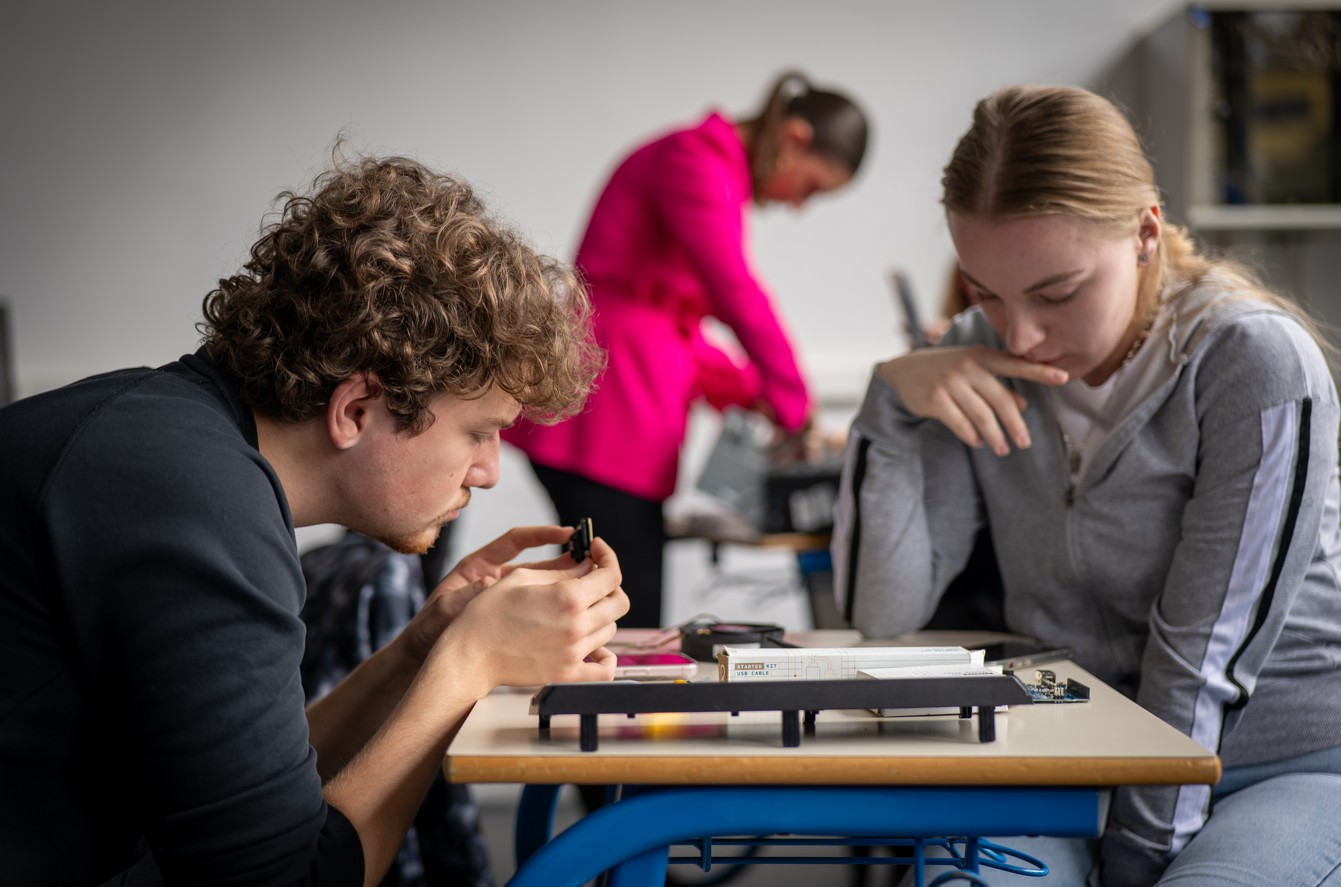
One of the areas of the partnership focuses on connecting STEM education with electronic waste through hands-on learning, as well as developing the digital competencies of teachers and students. This is why investment in education carries particular weight: it creates change that lasts far beyond the duration of a project.
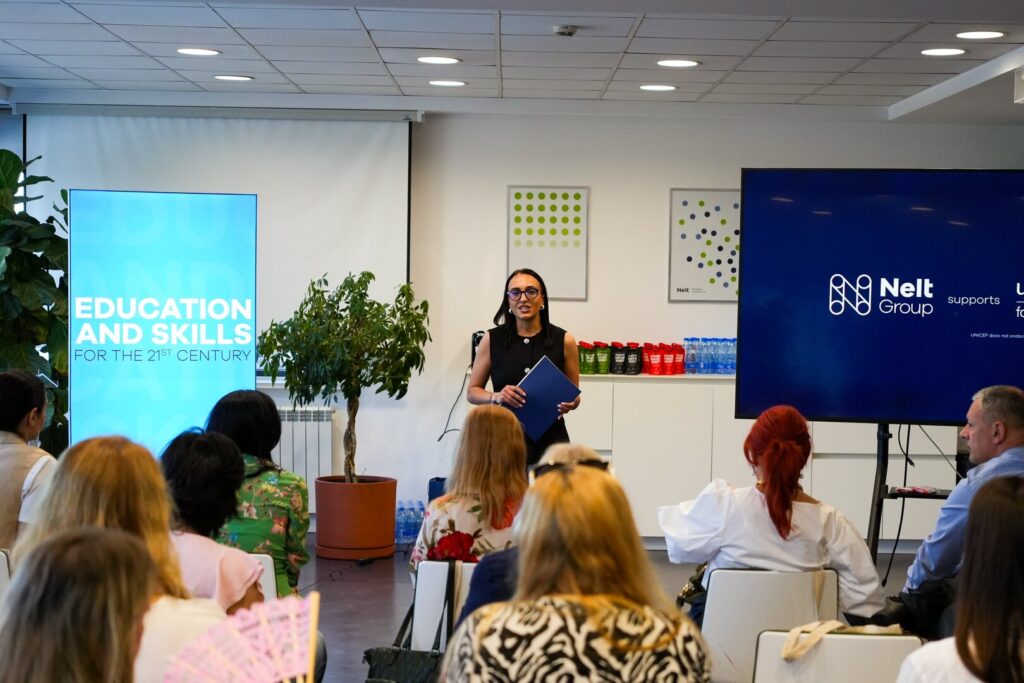
I believe the most successful companies of the future will be distinguished by the kind of future they help create. The partnership between Nelt Group and UNICEF demonstrates that the private sector can play an active role in creating long-term social change.
When we eventually talk about the success of this project, I believe we will not measure it only by the number of training sessions, workshops or schools involved.
We will measure success through a young person who, thanks to this programme, gained the confidence to choose a path that once seemed out of reach. Through an idea that was given the opportunity to grow into an innovation. Through knowledge that will one day become someone’s profession, company or contribution to the community.
In the end, one simple question remains: What kind of legacy do we want to leave behind?
Partnerships like this continue to live through the people who have been given new opportunities to learn, grow and think differently about their own future. Such change begins much earlier – at the moment when a child is given the opportunity to learn, develop and believe in what they are capable of.
Perhaps that is why the greatest value of partnerships like this lies in the fact that their true impact only becomes visible years later.